


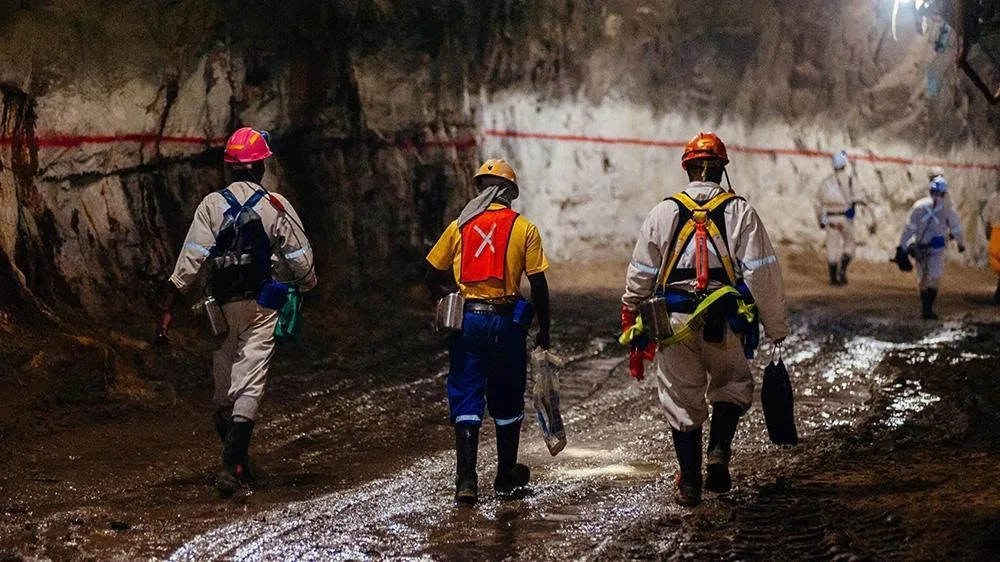
A roof bolter operator is drilling at the face. Methane from a cutter seam starts to bleed into the entry. It has no smell and no color, and the air feels exactly the same as it did a minute ago. A few hundred feet back, a belt roller has seized and begun to smolder, giving off carbon monoxide that also gives no warning. Nobody near either problem can sense it. The underground gas detector clipped to the bolter operator’s belt is the only thing in the entry that knows.
Table of Contents
What the Air Can Hold
Most underground operations watch four gases. Methane burns or explodes when it reaches 5 to 15 percent in air. Carbon monoxide is toxic at low parts per million. Oxygen can slip below the 19.5 percent minimum MSHA sets, and a worker in thin air often becomes confused without any sense that something is wrong. Hydrogen sulfide is toxic too, and it can come off water or certain ore bodies. The mix also changes within a single shift. Diesel equipment, blasting, fires and gas released from the seam all shift it.
What Makes One Detector Trustworthy
A detector is only as good as its last calibration and the health of its sensors. A bump test exposes the sensors to a known gas and confirms that each one responds and alarms. It takes a minute. Skipping it is how a dead sensor ends up on a belt for a week. The hardware matters as well. The display has to be readable under a cap lamp, and the alarm has to be loud and bright enough to be noticed next to a running continuous miner. Set points need to match real conditions. A unit that false-alarms every morning teaches crews to tune it out, and some get switched off or left in the truck. Regular calibration, sensible set points and training on what each alarm means keep people trusting the readings.
Covering the Hours When Nobody Is There
Go back to that smoldering roller and move the clock to 3 a.m. on an idle shift. No one is in the entry, so no personal detector is either. A fixed monitor at the belt drive reads that spot around the clock and can send its alarm to the surface. The two kinds of unit cover each other’s gaps. A personal detector protects one worker wherever they walk, including the crosscut with a pocket of low oxygen. A fixed monitor protects one place every hour of the day.
Operations planning fixed coverage can learn about the four-gas SmartSense Fixed Monitor from Becker Wholesale Mine Supply, which stores alarm history and calibration records.