




What is ASIC miner profitability?
ASIC miner profitability shows how much money a mining machine can generate after expenses. Revenue comes from mining rewards, while costs include electricity, pool fees, cooling, hosting, repairs, downtime and the original hardware price. Before buying an asic miner, it is important to calculate not only daily revenue, but also ROI, payback period and possible risks.
The key point is simple: mining revenue is not the same as profit. A miner may show good daily income on a calculator, but if electricity is expensive or the machine is inefficient, the real profit can be small or even negative.
Table of Contents
Quick answer
ASIC miner profitability is calculated by subtracting operating costs from mining revenue. ROI shows how long it may take to recover the cost of the machine. The biggest factors are electricity price, ASIC efficiency, coin price, mining difficulty, pool fees, uptime and hardware cost.
Key points in 30 seconds
- ASIC mining profitability depends on revenue minus costs.
- Electricity is usually the biggest expense.
- Higher hashrate does not always mean higher profit.
- Efficiency matters more than raw power.
- ROI means how long it takes to recover the hardware cost.
- Mining difficulty and coin price can change profitability quickly.
- Mining calculators are useful, but they are only estimates.
- Beginners should calculate conservative scenarios before buying equipment.
What is an ASIC miner?
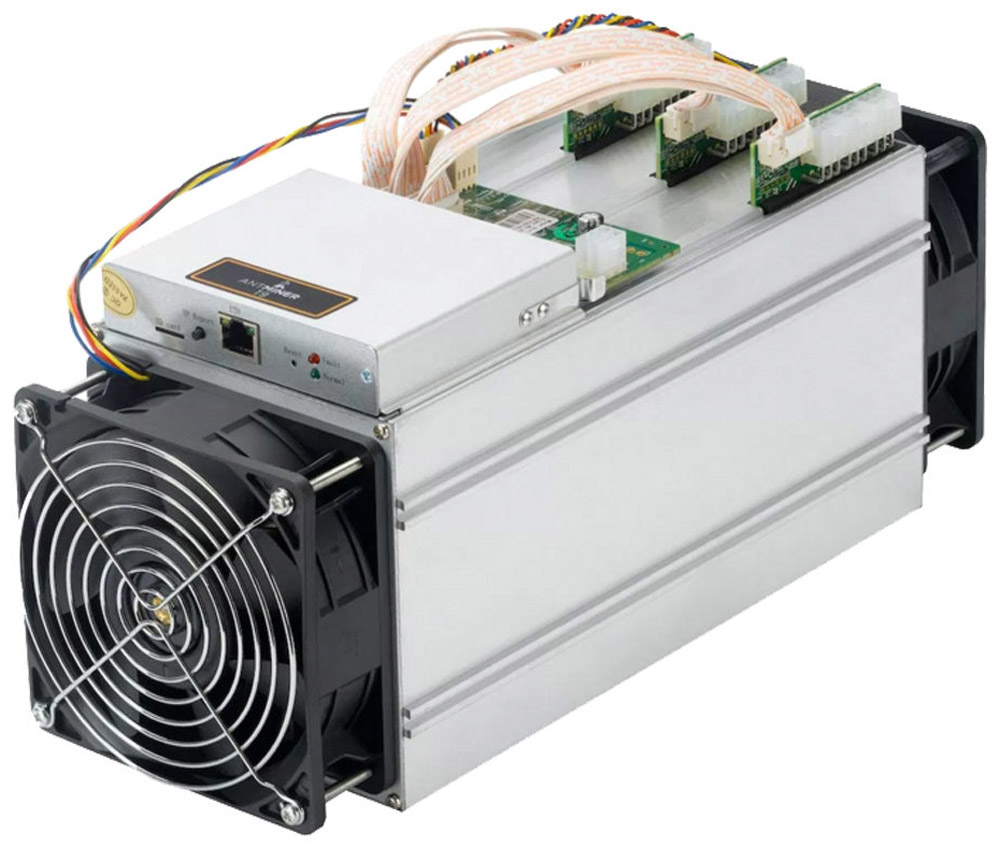
An ASIC miner is specialized hardware built to mine a specific cryptocurrency algorithm. ASIC stands for Application-Specific Integrated Circuit.
Unlike a normal computer or GPU, an ASIC is designed for one task: mining as efficiently as possible.
| Algorithm | Common coins | Hardware |
| SHA-256 | Bitcoin, Bitcoin Cash | SHA-256 ASIC |
| Scrypt | Litecoin, Dogecoin | Scrypt ASIC |
| KHeavyHash | Kaspa | KHeavyHash ASIC |
For Bitcoin mining, ASICs dominate the market because ordinary computers and GPUs are no longer competitive.
Revenue vs profit
Mining revenue is what the miner earns before expenses. Profit is what remains after all costs.
Basic formula:
Net profit = mining revenue – electricity – pool fees – cooling – hosting – repairs
Example:
| Metric | Value |
| Gross mining revenue | $14/day |
| Electricity cost | $6/day |
| Pool fee and other costs | $1/day |
| Net profit | $7/day |
If the miner costs $3,500, the simple payback period is:
$3,500 / $7 = 500 days
But this is only an estimate. Mining conditions can change.
What is ASIC miner ROI?
ROI means return on investment. In mining, it usually means how long it takes for the miner to earn back its purchase price.
Formula:
Payback period = ASIC cost / daily net profit
Example:
| ASIC cost | Daily net profit | Payback |
| $1,500 | $5/day | 300 days |
| $3,500 | $7/day | 500 days |
| $5,000 | $10/day | 500 days |
The shorter the payback period, the better the investment looks. But ROI is never guaranteed.
What affects ASIC profitability?
| Factor | Why it matters |
| Coin price | Higher price increases revenue |
| Mining difficulty | Higher difficulty reduces rewards |
| Electricity cost | Often the main expense |
| ASIC efficiency | Better efficiency lowers costs |
| Pool fees | Reduce payouts |
| Uptime | Downtime means lost revenue |
| Hardware price | Determines payback period |
| Repairs | Reduce real profit |
A profitable miner is not always the most powerful one. It is the machine with the best balance between hashrate, power consumption and price.
Why electricity cost matters
Electricity can decide whether mining is profitable or not.
Example with a 3,500 W miner:
| Electricity price | Daily electricity cost |
| $0.04/kWh | $3.36/day |
| $0.08/kWh | $6.72/day |
| $0.12/kWh | $10.08/day |
If the miner earns $14/day, cheap electricity leaves room for profit. Expensive electricity can destroy ROI.
Why ASIC efficiency matters
ASIC efficiency shows how much electricity the miner uses to produce hashrate. For Bitcoin ASICs, it is usually measured in J/TH.
Lower J/TH is better.
| Miner | Hashrate | Power | Efficiency |
| Miner A | 100 TH/s | 3,000 W | 30 J/TH |
| Miner B | 200 TH/s | 3,000 W | 15 J/TH |
Miner B is better because it produces more hashrate with the same electricity use.
Hashrate is not enough
Many beginners choose miners only by hashrate. This is a mistake.
A miner with high hashrate can still be less profitable if it consumes too much power.
| Miner | Hashrate | Power cost | Net result |
| Miner A | Lower | Lower | Better margin |
| Miner B | Higher | Much higher | Worse margin |
Always compare miners by expected net profit, not just hashrate.
Why difficulty affects ROI
Mining difficulty changes as more or fewer miners join the network. When difficulty rises, each miner earns fewer coins for the same hashrate.
This means a miner that looks profitable today may earn less later if competition increases.
ASIC ROI example
| Metric | Value |
| ASIC price | $3,500 |
| Gross revenue | $14/day |
| Electricity | $6/day |
| Other costs | $1/day |
| Net profit | $7/day |
| Payback | 500 days |
Now imagine revenue falls:
| Scenario | Net profit | Payback |
| Base case | $7/day | 500 days |
| Weak market | $3.50/day | 1,000 days |
| Very weak market | $1.50/day | 2,333 days |
That is why ROI should always be stress-tested.
New vs used ASIC miners
| Option | Pros | Cons |
| New ASIC | Warranty, better efficiency | Higher price |
| Used ASIC | Lower price | Wear, repairs, no warranty |
| Hosted ASIC | No home noise or heat | Provider risk |
Used ASICs can be attractive, but only if the price is low and the machine is tested.
Home mining vs hosted mining
Home mining gives more control, but it creates problems with noise, heat and electricity.
Hosted mining can be easier, but it depends on the provider and contract.
Before choosing hosting, check:
- electricity rate;
- hosting fee;
- repair terms;
- uptime;
- contract length;
- payout reporting;
- ownership of the machine.
Common mistakes
- Buying hardware before calculating electricity cost.
- Looking only at hashrate.
- Ignoring efficiency.
- Trusting one calculator.
- Forgetting pool fees.
- Ignoring downtime.
- Buying used hardware without testing.
- Underestimating heat and noise.
- Assuming ROI will stay fixed.
- Forgetting repairs and resale value.
ASIC miner checklist
Before buying, check:
- miner price;
- hashrate;
- power consumption;
- efficiency;
- electricity price;
- pool fee;
- expected daily revenue;
- expected net profit;
- payback period;
- cooling and noise;
- repair risk;
- resale value;
- what happens if revenue falls.
FAQ
What is ASIC miner profitability?
ASIC miner profitability is the net income a miner earns after subtracting electricity, pool fees, cooling, hosting and other costs from mining revenue.
What is ASIC miner ROI?
ASIC miner ROI is the time it takes for the miner to recover its purchase cost through mining profit.
How do you calculate ASIC payback?
Divide the ASIC cost by daily net profit.
Example:
$3,500 / $7 = 500 days
What affects ASIC mining profitability the most?
The biggest factors are electricity price, ASIC efficiency, coin price, mining difficulty, pool fees, uptime and hardware cost.
Is higher hashrate always better?
No. Higher hashrate is useful only if the miner is efficient and power costs are reasonable.
Are mining calculators accurate?
They are useful for estimates, but they cannot predict future coin price, difficulty, downtime or repairs.
Is home mining worth it?
Only if electricity is cheap and you can manage heat, noise and technical setup.
Should beginners buy a used ASIC?
Only after checking the condition, seller reputation, warranty, hashrate stability and repair risk.
Quick summary
ASIC miner profitability depends on revenue, electricity cost, hardware efficiency, mining difficulty, pool fees, uptime and equipment price. ROI shows how long it may take to recover the investment, but it is never guaranteed.
Before buying mining hardware, calculate net profit, not just gross revenue. Compare efficiency, include all costs and test what happens if revenue falls or electricity becomes more expensive.
Conclusion
ASIC mining can be profitable, but only when the numbers work. A miner is not a guaranteed passive-income machine. It is a business asset with costs, risks and changing revenue.
The best approach is simple: calculate first, buy later. If electricity is cheap, hardware is efficient and ROI remains acceptable even in conservative scenarios, mining may make sense. If the assumptions are weak, buying cryptocurrency directly may be a safer and simpler option.